
Iron chin, eyes fixed ahead
I receive a message: “Could you give me a call?” I call her and hear a soft, timid, and weary voice. She tells me about the current situation in the care sector. “It’s like trying to row without paddles,” she says. When I ask, “How are *you* doing?” her voice begins to tremble. “I’m managing. You have to keep going; the clients need me. Who else would look after them?” “Who looks after *you*?” I ask. She says firmly, “No one. I feel abandoned. We’re constantly fighting—fighting for recognition, fighting for the client. And then everyone applauds us en masse—which is lovely, finally some appreciation—and yet, I still feel abandoned. All the attention goes to the hospitals. And us? They don’t see us. We’re the forgotten group. We just keep going. But how can you care for a client when you’re getting sick yourself? I’m sleeping poorly, I’m tired, and I’m easily irritable.” It all becomes too much for her; she begins to sob uncontrollably. Between sobs, she says, “There’s no one to comfort you. There are support buddies in the hospitals, but not for us. I just soldier on—what else can I do? I need a breather.”
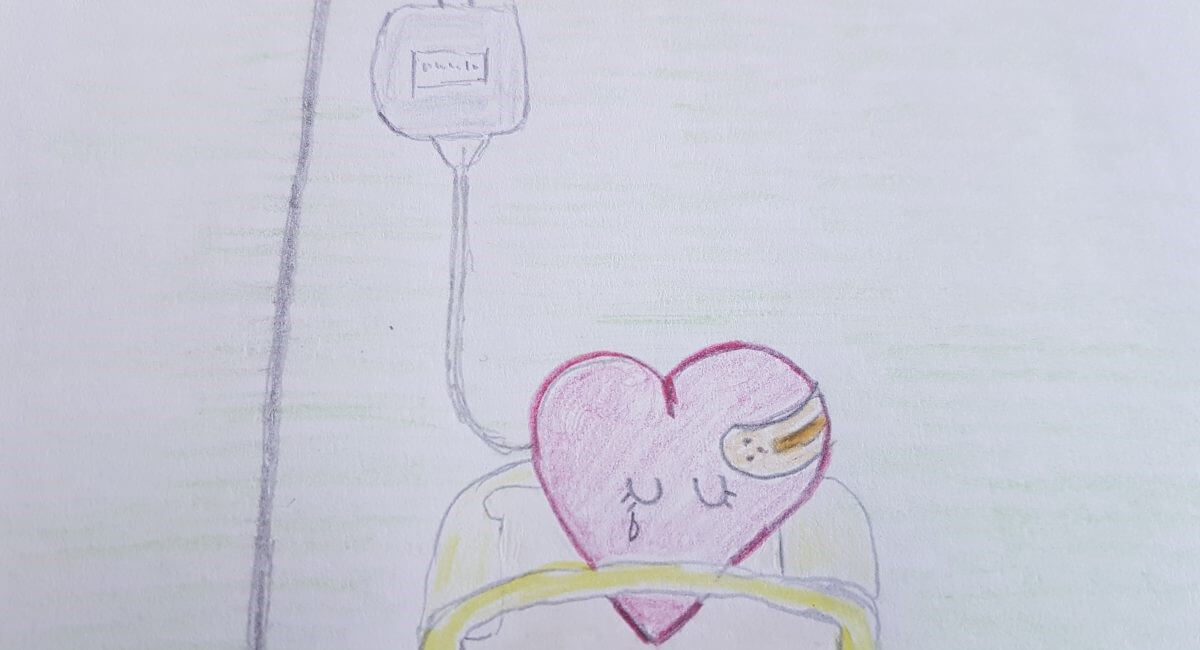
We continue the conversation by focusing on what is possible. We talk about what helps her relax and how to stay active. We discuss the importance of blowing off steam, sharing experiences, and appreciating one another. Then, suddenly, she starts to laugh. Yes, I’m going to bring humor back into the mix, together with the residents. For now, she has been able to unburden herself—this care professional who has to perform at the very top of her game. A string stretched far too tight. How are you doing? Do you ever ask yourself—or your colleague—that question?